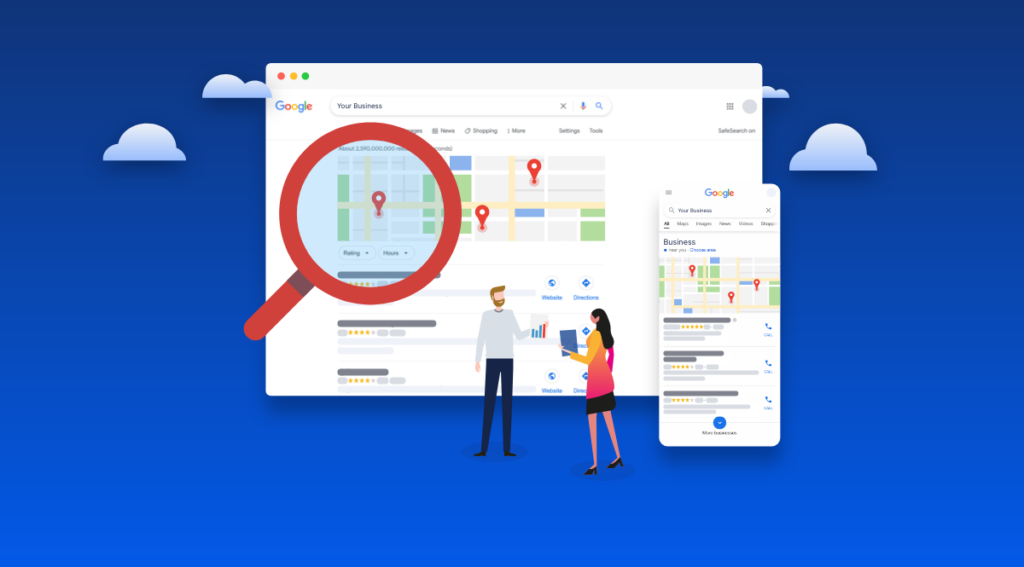
Are you looking to boost your local search engine optimization (SEO) and gain an edge over your competitors? Look no further than citation sources. In this article, we will explore the importance of local citations and how they can improve your local SEO rankings. From understanding the top factors impacting your local search engine rankings to discovering the best local citation sources, we will provide you with the insights and strategies you need to optimize your website for local visibility and drive more local traffic. Don’t miss out on this opportunity to take your local SEO to the next level and increase your online presence in your target market.
Local Citation Sources
What are Local Citation Sources?
Local citation sources, also known as online directories, are websites that list information about businesses in various locations. They typically include details such as the business name, address, phone number (NAP), and sometimes additional information like operating hours, website URL, and customer reviews. Local citation sources play a crucial role in local SEO, as search engines use this information to verify the legitimacy and relevance of a business in specific geographical areas.

Why are Local Citation Sources Important for Local SEO?
Local citation sources are vital for local SEO because they provide search engines with consistent and accurate information about a business’s location. When search engines like Google see consistent information across different directories, it increases their confidence in the accuracy of that information. This, in turn, can improve a business’s visibility and rankings in local search results.
Another reason local citation sources are important for local SEO is that they serve as a signal of trust and credibility. When a business is listed on reputable directories, it signals to search engines that the business is legitimate and relevant to the local community. This can positively impact its rankings and overall online presence.
How to Find Local Citation Sources
Finding local citation sources involves identifying directories and websites that are relevant to the industry, location, and target audience of a business. Here are some methods to find local citation sources:
-
Conduct a Local SEO Audit: Start by auditing the current online presence of the business and identify any existing citations or listings. This can help determine which directories are already referencing the business and if any updates or corrections are needed.
-
Research Competitors: Look at the citation sources of top competitors in the same industry and geographic area. This can provide insights into industry-specific directories or platforms that may be valuable for the business.
-
Search on Search Engines: Perform searches using relevant keywords and location modifiers to find local directories and websites. For example, searching “restaurants in [city]” can yield results for local restaurant directories.
-
Use Local SEO Tools: There are various tools available, such as Moz Local and BrightLocal, that can help identify citation sources specific to a business’s industry and location.
-
Seek Local Recommendations: Reach out to local business associations, chambers of commerce, or industry-specific organizations for recommendations on citation sources.
Top Local Citation Sources to Consider
When building local citations, it’s important to prioritize the most authoritative and relevant directories. Here are some top local citation sources to consider:
Local Directories
Local directories are general directories that encompass various industries and provide information about businesses in specific locations. Some popular local directories include:
- Google My Business
- Bing Places for Business
- Yelp
- Yellow Pages
- Yahoo Local
Industry-Specific Directories
Industry-specific directories focus on specific niches or industries. These directories can provide highly targeted visibility within a particular sector. Examples of industry-specific directories include:
- TripAdvisor (for the hospitality industry)
- Avvo (for legal professionals)
- Zillow (for real estate)
Social Media Platforms
Social media platforms not only serve as channels for engaging with customers but also as potential local citation sources. Ensure that the business’s information is complete and consistent across platforms such as:
Review Sites
Review sites not only provide a platform for customers to leave reviews but also serve as potential local citation sources. The business should claim and optimize its profiles on popular review sites like:
- Yelp
- TripAdvisor
- Angie’s List
Local Blogs and News Websites
Local blogs and news websites that cater to a specific community or region can be valuable citation sources. Consider seeking out local blogs and news outlets to feature the business and ensure the NAP information is included.
Government and Community Websites
Government and community websites, such as local chamber of commerce sites or city/town portals, can provide authoritative and trusted local citations. These websites often have directories or sections that list local businesses.
It’s important to note that the relevance and authority of local citation sources may vary depending on the industry and location of the business. Therefore, thorough research and consideration should be given to identify the most valuable citation sources for a specific business.
By leveraging these local citation sources effectively and ensuring consistent and accurate information, businesses can improve their local SEO presence and increase their visibility to potential customers in their target area.