
If you’re looking to maximize your local SEO and boost your business’s visibility, one effective strategy to consider is using citation sources. These sources serve as online directories that list your business’s name, address, and phone number (NAP) information, helping search engines recognize and validate your business’s existence. By leveraging local citation sources, you can improve your local search engine rankings and increase your online visibility, ultimately driving more traffic and potential customers to your business. In this article, we’ll explore the power of citation sources and provide you with valuable insights on how to effectively leverage them to enhance your local SEO strategy.
Maximize Your Local SEO with Citation Sources
As a business owner, you understand the importance of having a strong online presence. But did you know that local citations can greatly impact your search engine optimization (SEO) efforts? Local citations, also known as online mentions of your business’s name, address, and phone number (NAP), are crucial for boosting your visibility and rankings in local search results. In this article, we will explore what citation sources are, why they are important for local SEO, how to identify relevant sources, and the top citation sources you should consider for your business.
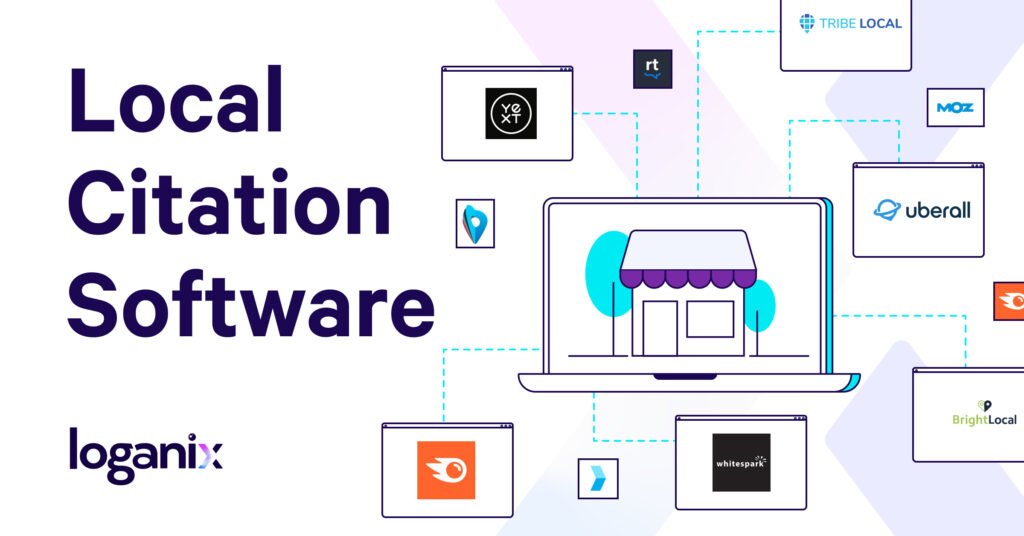
What are Citation Sources?
Citation sources refer to any online platforms or directories where your business information is listed. These sources typically include your business name, address, and phone number (NAP), and sometimes additional information such as your website URL, business hours, and customer reviews. Examples of citation sources include online directories, industry-specific websites, social media platforms, and local blogs.
Why should you care about citation sources? Well, search engines like Google use these citations to gather information about your business and determine its credibility and relevance to a particular location. By having consistent and accurate citations across various reputable sources, you can boost your local search rankings and increase your online visibility.
The Importance of Citation Sources for Local SEO
Local SEO is all about optimizing your online presence to attract local customers. By leveraging citation sources effectively, you can improve your local search rankings, increase online visibility, enhance trust and credibility, and ultimately drive more website traffic and conversions.
One of the main reasons citation sources are important for local SEO is that they provide search engines with consistent and accurate information about your business. When search engines find multiple instances of your NAP data on reputable sources, it signals to them that your business is legitimate and credible. This can result in higher rankings in local search results.
Moreover, citation sources also serve as a valuable source of backlinks, which are important for SEO. When your business is mentioned on reputable platforms, it increases the likelihood of other websites linking back to your site. This can improve your overall website authority and boost your rankings in organic search results.

How to Identify Relevant Citation Sources
Now that you understand the importance of citation sources, it’s time to identify the ones that are relevant to your business. Here are some steps you can take:
-
Know your target audience: Start by understanding who your target audience is and where they are likely to search for local businesses. Are they more likely to use online directories, industry-specific websites, or social media platforms?
-
Research your competitors: Look at your competitors’ online presence and see which citation sources they are utilizing. This can give you a good starting point for your own research.
-
Use online tools: There are various online tools available that can help you identify relevant citation sources. These tools can provide insights into which platforms are popular in your industry or location.
-
Consider industry-specific sources: Depending on your industry, there may be specific directories or websites that are highly relevant. For example, if you are a restaurant, you may want to consider platforms like Yelp or TripAdvisor.
-
Check local directories: Don’t forget to explore local directories that are specific to your city or region. These directories can often have a high domain authority and can significantly impact your local SEO efforts.
By taking the time to research and identify relevant citation sources, you can ensure that your business is listed on platforms that are likely to reach your target audience and boost your local SEO.
Top Local Citation Sources to Consider
Now that you know how to identify relevant citation sources, let’s explore some of the top platforms you should consider for your business:
Google My Business
Google My Business (GMB) is arguably the most important citation source for local SEO. By claiming and optimizing your GMB profile, you can ensure that your business appears prominently in Google search results, Google Maps, and Google’s local pack. Be sure to provide accurate and complete information, including your NAP data, business category, business hours, website URL, and customer reviews.
Online Directories
Online directories like Yelp, YellowPages, and Angie’s List are popular platforms for customers to find and review local businesses. Listing your business on these directories can not only improve your local SEO but also provide valuable customer feedback and reviews.
Industry-Specific Websites
Depending on your industry, there may be industry-specific websites or directories that are highly relevant. For example, if you are a contractor, you may want to consider platforms like HomeAdvisor or Houzz. These websites cater specifically to customers looking for services in your industry.
Local Chamber of Commerce
Joining your local chamber of commerce can provide valuable networking opportunities and also boost your local SEO. Many chambers of commerce have online directories where they list their members’ businesses. This can help improve your credibility and visibility among local customers.
Local Newspapers and News Websites
Local newspapers and news websites often have online directories or business listings where you can showcase your business. These platforms cater specifically to local readers and can greatly enhance your online visibility within your community.
Review Websites
Customer reviews play a significant role in local SEO, and review websites like Yelp, TripAdvisor, and Google Reviews are where most customers go to share their experiences. Encourage your customers to leave reviews on these platforms and respond promptly to address any feedback or concerns.
Social Media Platforms
While social media platforms like Facebook, Twitter, and Instagram may not be traditional citation sources, they are still important for local SEO. Having an active presence on these platforms can boost your online visibility, engage with potential customers, and drive traffic to your website.
Local Blogs and Influencers
Local blogs and influencers can be powerful citation sources for certain industries. If there are influential bloggers or individuals in your area who cover topics related to your business, reaching out to them and asking for a mention or backlink can greatly benefit your local SEO efforts.
By actively listing your business on these top citation sources and ensuring consistency and accuracy across all platforms, you can maximize your local SEO and attract more local customers.
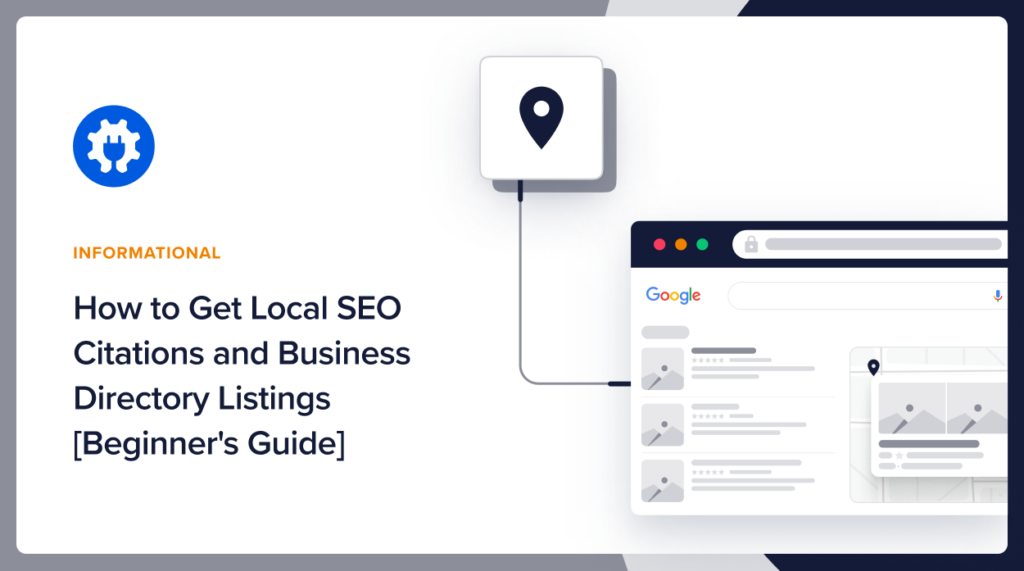
How to Build and Manage Local Citations
Now that you know the importance of citation sources and have identified the relevant platforms for your business, let’s explore how to build and manage local citations effectively.
Consistency is Key
Consistency is crucial when it comes to local citations. Ensure that your business name, address, and phone number (NAP) are consistent across all platforms. Even minor discrepancies like abbreviations or variations can confuse search engines and harm your rankings. Create a master document with your complete and standardized NAP data, and use it when submitting your business information to citation sources.
Complete and Accurate Information
When listing your business on citation sources, provide as much complete and accurate information as possible. In addition to your NAP data, consider including your business category, website URL, business hours, photos, and customer reviews. The more information you provide, the easier it is for customers to find and understand your business.
NAP (Name, Address, Phone Number) Data
As mentioned earlier, your NAP data should be consistent across all citation sources. Make sure to use your official business name, full address (including street, city, state, and zip code), and a local phone number. Avoid using toll-free or virtual numbers, as search engines prioritize businesses with local phone numbers.
Include Relevant Keywords
When creating your business listings on citation sources, include relevant keywords that describe your business and services. For example, if you are a bakery in New York City, consider including keywords like “New York bakery,” “bakery in NYC,” or “best bakery in New York.” This can help improve your visibility in local search results.
Manage and Monitor Citations
Building citations is an ongoing process, and it’s important to regularly manage and monitor your existing citations. Make sure to update your information whenever there are changes to your business, such as a new address or phone number. Additionally, monitor customer reviews and respond promptly to address any feedback or concerns.
Citation Building Tools
There are various tools available that can streamline the citation-building process. Tools like Moz Local, BrightLocal, and Whitespark can help you identify relevant citation sources, provide insights into your existing citations, and manage and monitor your citations effectively.
Manual Outreach and Submission
While some citation sources allow for automatic submission or data syndication, others require manual outreach and submission. Take the time to reach out to relevant platforms individually and submit your business information in the correct format. This personalized approach can ensure that your citations are accurate and complete.
By following these tips and best practices, you can build and manage your local citations effectively and maximize your local SEO efforts.
The Benefits of Building Local Citations
Now that you understand how to build and manage local citations, let’s explore the benefits they can bring to your business.
Improved Local Search Rankings
One of the main benefits of building local citations is improved local search rankings. When search engines find consistent and accurate citations across multiple reputable sources, they perceive your business as legitimate and relevant to a particular location. This can result in higher rankings in local search results, making it easier for potential customers to find you.
Increased Online Visibility
Building local citations on popular platforms increases your online visibility among local customers. When customers search for products or services in your area, having your business listed on multiple citation sources increases the likelihood of your business appearing in search results. This can greatly expand your reach and attract more local customers to your business.
Enhanced Trust and Credibility
Consistent and accurate citations on reputable platforms enhance your trust and credibility among customers. When customers see your business listed on platforms they recognize and trust, it provides validation and assurance that your business is reliable and legitimate. This can increase their confidence in choosing your business over competitors.
Higher Website Traffic and Conversions
By improving your local search rankings and increasing your online visibility, you can drive more website traffic to your business. When customers find your business through local search results, they are more likely to visit your website, explore your offerings, and ultimately convert into paying customers. Local citations play a crucial role in attracting high-quality traffic that is more likely to convert.

Tips for Maximizing Your Local SEO with Citation Sources
To maximize your local SEO efforts with citation sources, consider implementing the following tips:
Ensure Consistency Across All Citations
Consistency is key when it comes to local citations. Ensure that your business name, address, and phone number (NAP) are consistent across all citation sources. Use your standardized NAP data when submitting your business information to platforms, and regularly monitor and update your citations to maintain consistency.
Optimize Citations with Relevant Keywords
Include relevant keywords in your citations to boost your visibility in local search results. Consider incorporating keywords that describe your business, location, and services. This can help search engines understand the relevance of your business to a particular location and improve your rankings in local search results.
Monitor and Update Citations Regularly
Managing your citations is an ongoing process. Regularly monitor your existing citations to ensure they are up to date and accurate. If there are any changes to your business, such as a new address or phone number, make sure to update your citations promptly. Additionally, monitor customer reviews and respond promptly to address feedback or concerns.
Leverage Customer Reviews
Customer reviews are an integral part of local SEO. Encourage your customers to leave reviews on citation sources like Yelp, Google Reviews, or industry-specific platforms. Positive reviews not only enhance your credibility but also have a positive impact on your search rankings.
Include NAP Data on Every Web Page
To reinforce your local SEO efforts, include your NAP data on every web page of your website. This ensures that search engines can easily identify and associate your business with a particular location. Consider including your NAP data in the footer or header of your website for maximum visibility.
Track and Analyze Citation Performance
Just like any other aspect of your SEO strategy, it’s important to track and analyze the performance of your citations. Use tools like Google Analytics, Moz Local, or BrightLocal to monitor the impact of your citations on your local search rankings, website traffic, and conversions. This data can help you identify areas for improvement and refine your citation-building strategy.
Conclusion
Building and managing local citations is an essential part of any effective local SEO strategy. By leveraging citation sources effectively, you can improve your local search rankings, increase online visibility, enhance trust and credibility, and drive more website traffic and conversions. Remember to identify the most relevant citation sources for your business, ensure consistency and accuracy across all platforms, and regularly monitor and update your citations. With these tips and best practices, you can maximize your local SEO efforts and attract more local customers to your business.