In “Local Citation Building: The Complete Guide to Citation Building for Faster Local Rankings,” you will discover the essential strategies and techniques to boost your local rankings in search engine results. With an in-depth exploration of local SEO factors, site optimization, and content strategy, this comprehensive guide provides valuable insights for improving your online presence at a local level. From building powerful local citations to optimizing your Google My Business profile and creating location-based content, this guide equips you with the tools you need to stand out in your community and drive more traffic to your business. So if you’re ready to take your local rankings to the next level, dive into this complete guide and watch your online visibility soar.
Local On Page Optimization
Local on page optimization is a crucial aspect of improving your website’s visibility and rankings in local search results. By implementing specific tactics and strategies, you can optimize your web pages to target a local audience and increase your chances of appearing in the top search results for location-based queries. In this article, we will explore ten powerful on-page optimization tactics that can help boost your local rankings and attract more local traffic.

1. Target Location-specific Keywords
The first step in local on page optimization is to identify and target location-specific keywords that are relevant to your business and target audience. Conduct thorough keyword research to uncover high-intent keywords that include your target location. For example, if you own a bakery in Chicago, consider using keywords like “best bakery in Chicago” or “Chicago bakery.” Incorporate these keywords naturally throughout your website content, including in the page titles, headings, meta descriptions, and body text.
2. Optimize Page Titles and Meta Descriptions
Page titles and meta descriptions play a crucial role in telling search engines and users what your web page is about. For local on-page optimization, it is vital to include your target location in these elements to signal to search engines that your content is relevant to local searches. Craft compelling and descriptive page titles and meta descriptions that not only include your target keywords but also entice users to click through to your website.

3. Create Location-specific Landing Pages
If your business operates in multiple locations, creating location-specific landing pages is an effective way to target different local markets. Each landing page should provide unique and valuable content tailored to the specific location, including relevant information about the local area, testimonials from local customers, and details about the products or services offered in that location. Make sure to optimize each landing page with location-specific keywords and include clear calls to action to encourage users to take action.
4. Optimize Heading Tags
Heading tags, such as H1, H2, and H3, are not only important for organizing your content but also for signaling the importance and relevancy of specific sections of your web page. When optimizing for local search, consider incorporating location-specific keywords in your heading tags to further emphasize your content’s relevance to local queries. However, be mindful of not overstuffing your heading tags with keywords, as this can negatively impact the user experience and harm your rankings.
5. Include NAP Information Consistently
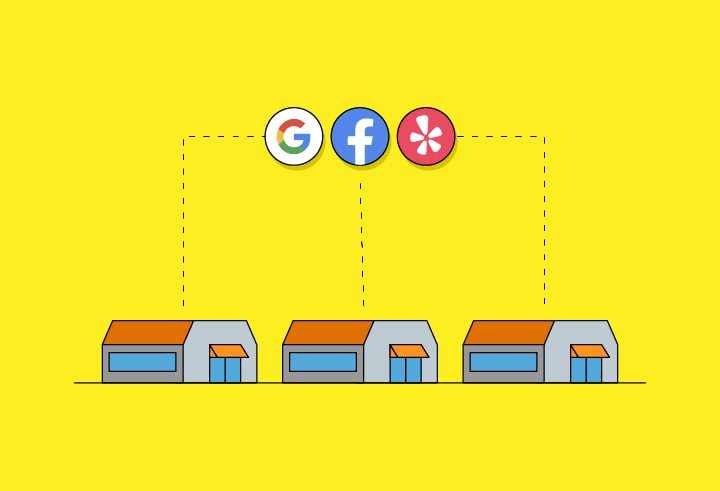
NAP stands for Name, Address, and Phone number, and it is crucial to include this information consistently across your website. Not only does this help users easily find and contact your business, but it also signals to search engines that your website is associated with a specific location. Place your NAP information prominently on your website, typically in the header or footer, and ensure that it matches the information listed on other online platforms, such as Google My Business and local directory listings.
6. Optimize Image Alt Text
Optimizing image alt text is often overlooked in on-page optimization, but it can provide an additional opportunity to incorporate location-specific keywords and improve your website’s visibility in local search results. When adding images to your web pages, make sure to include descriptive alt text that accurately describes the image and includes relevant location keywords where appropriate. This can help search engines understand the context of your images and improve your chances of ranking for local searches.
7. Implement Structured Data Markup
Structured data markup, such as Schema.org markup, provides search engines with additional information about your website’s content, including your business’s name, address, phone number, and other relevant details. By implementing structured data markup on your web pages, you can enhance the visibility of your website in search results and increase your chances of appearing in relevant local search features, such as the local pack or knowledge graph.
8. Optimize URL Structure
Your website’s URL structure plays a role in how search engines understand and crawl your website. When optimizing for local search, consider including your target location in your URL structure to provide additional context. For example, instead of using a generic URL like “www.example.com/product1,” you can optimize it to “www.example.com/chicago/product1.” This helps search engines understand that your content is specifically relevant to users searching for products or services in Chicago.

9. Improve Page Loading Speed
Page loading speed is a crucial factor that affects both user experience and search engine rankings. Slow-loading web pages can lead to high bounce rates and negatively impact your website’s visibility in search results. Optimize your web pages for fast loading speed by compressing images, minifying HTML, CSS, and JavaScript files, and leveraging browser caching. This ensures that users can access your content quickly, leading to a more positive user experience and potentially higher rankings in local search results.
10. Encourage User Reviews and Ratings
User reviews and ratings are important signals for search engines and potential customers when evaluating the credibility and quality of your business. Encourage your customers to leave reviews and ratings on reputable review platforms, such as Google My Business, Yelp, or industry-specific directories. Positive reviews and high ratings can improve your business’s visibility in local search results and attract more local customers.
By implementing these ten powerful on-page optimization tactics, you can enhance your website’s visibility and improve your local rankings. Remember to monitor your rankings regularly, analyze user behavior, and make necessary adjustments to your on-page optimization strategies accordingly. Local on page optimization is an ongoing process that requires continuous effort and optimization to stay competitive and attract local traffic to your website.