
In this article, we will explore how to use Google My Business for better local SEO. With the ever-increasing importance of local search rankings, it’s crucial for businesses to optimize their online presence in order to attract local customers. Whether you’re a small local business or a larger company with multiple locations, utilizing Google My Business can significantly improve your visibility in local search results. We’ll cover everything from optimizing your Google My Business profile to managing your business analytics, and even crafting a killer local content strategy. Get ready to take your local SEO game to the next level with these actionable tips and strategies.
Local Site SEO Audit
If you’re looking to improve your local search engine optimization (SEO), conducting a comprehensive site audit should be your first step. A local site SEO audit helps you identify any issues or areas for improvement in your website’s performance and visibility in local search results. In this article, we’ll guide you through a 5-step checklist that will ensure you cover all the essential elements of a successful local site SEO audit.

Step 1: Assess Your Website’s Technical Elements
The technical aspects of your website play a crucial role in its ability to rank well in local search results. Start your local site SEO audit by examining the following key elements:
- Website Speed: A slow-loading website can negatively impact user experience and search engine rankings. Use tools like Google PageSpeed Insights to assess your site’s speed and make necessary improvements.
- Mobile Friendliness: With the majority of internet users accessing websites via mobile devices, it’s essential to ensure your site is optimized for mobile. Use Google’s Mobile-Friendly Test to evaluate your site’s mobile compatibility.
- URL Structure: A well-structured URL helps search engines understand your website’s content and improves its crawlability. Make sure your URLs are concise, descriptive, and include relevant keywords.
- XML Sitemap: An XML sitemap helps search engines discover and index all the pages on your website. Check if your site has a properly formatted XML sitemap and submit it to search engines.
- Robots.txt: The robots.txt file instructs search engine crawlers on which pages to crawl and which to exclude. Review your robots.txt file to ensure you’re not blocking any important pages.
- SSL Certificate: Having a secure website is crucial for both user trust and search engine rankings. Check if your website has a valid SSL certificate, which ensures all data transmitted between your site and users is encrypted.
Step 2: Analyze On-Page Optimization
On-page optimization refers to optimizing individual webpages to rank higher in search engine results. Focus on the following aspects during your local site SEO audit:
- Title Tags and Meta Descriptions: Ensure each page has a unique, descriptive title tag and a compelling meta description that incorporates relevant keywords and entices users to click.
- Header Tags: Use header tags (H1, H2, H3, etc.) to structure your content and make it easy for both users and search engines to understand.
- Keyword Usage: Analyze your website’s keyword usage and ensure you’re targeting relevant keywords within your content and meta tags without keyword stuffing.
- Image Optimization: Optimize your website’s images by adding descriptive alt text, compressing file sizes for faster loading, and using relevant filenames.
- Internal Linking: Create a logical internal linking structure that connects related pages on your site. This helps search engines understand your website’s structure and improves user navigation.
- Schema Markup: Implement schema markup to provide additional information about your business, products, or services to search engines. This can enhance your visibility in local search results.
Step 3: Evaluate Website Content
High-quality and relevant content is a fundamental element of successful SEO. During your local site SEO audit, assess the following aspects related to your website’s content:
- Keyword Research: Ensure you’re targeting the right keywords for your local audience. Conduct keyword research using tools like Google Keyword Planner or SEMrush to identify relevant, high-traffic keywords.
- Content Relevance: Review your website’s content and ensure it aligns with the needs and interests of your local audience. Consider creating location-specific content to target local keywords and improve your local rankings.
- Duplicate Content: Check for any duplicate content issues on your website. Duplicate content can confuse search engines and harm your rankings. Use tools like Copyscape to identify and resolve duplicate content.
- Freshness and Updates: Regularly update your website’s content to keep it relevant and fresh. This shows search engines that your site is active and provides value to users.
- User Engagement: Analyze metrics like bounce rate, time on page, and click-through rate to gauge user engagement with your content. Improve underperforming pages by enhancing the content or adjusting your optimization strategy.

Step 4: Verify Your Local Business Information
As a local business, ensuring your business information is accurate and consistent across the web is vital for local SEO. Use the following strategies to verify and optimize your local business information:
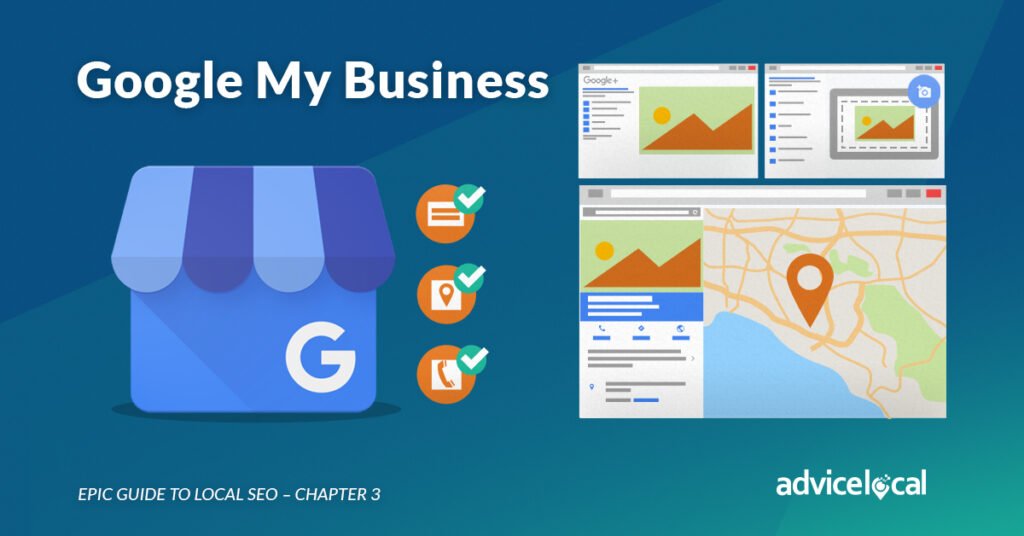
- Google My Business (GMB): Claim and verify your business on Google My Business. Optimize your GMB profile by providing complete and accurate information, including your business name, address, phone number, category, and photos.
- NAP Consistency: Ensure your business’s name, address, and phone number (NAP) are consistent across all online directories, listings, and citations. Inconsistent NAP information can harm your local search rankings.
- Online Directories and Citations: Audit your business’s online listings and citations on directories like Yelp, Yellow Pages, and industry-specific websites. Update any outdated or incorrect information and remove duplicate listings.
- Reviews and Reputation Management: Monitor and manage your online reviews across platforms like Google, Facebook, and Yelp. Encourage satisfied customers to leave positive reviews, respond to negative reviews promptly and professionally, and address any customer concerns.
Step 5: Analyze Off-Page Factors
Off-page factors, such as backlinks and social signals, contribute to your website’s authority and credibility. Include the following considerations when analyzing your website’s off-page factors:
- Backlink Profile: Assess the quality and quantity of backlinks pointing to your website. High-quality backlinks from authoritative websites can improve your search engine rankings. Disavow any toxic or spammy backlinks that may be negatively impacting your site.
- Social Media Signals: Analyze your social media presence and engagement. Social signals, such as likes, shares, and comments, can indirectly impact your search engine rankings. Build a strong social media presence and encourage social sharing of your content.
- Online Mentions: Monitor mentions of your business or brand across the web. Engage with these mentions and encourage the creation of positive, brand-focused content from reputable sources.
By following this 5-step checklist, you’ll be equipped with the knowledge to conduct a thorough local site SEO audit. Addressing any issues uncovered during the audit will help you improve your website’s performance and boost its visibility in local search results. Remember to regularly review and update your website’s SEO strategy to stay ahead of the ever-evolving search engine algorithms and maintain your local dominance.