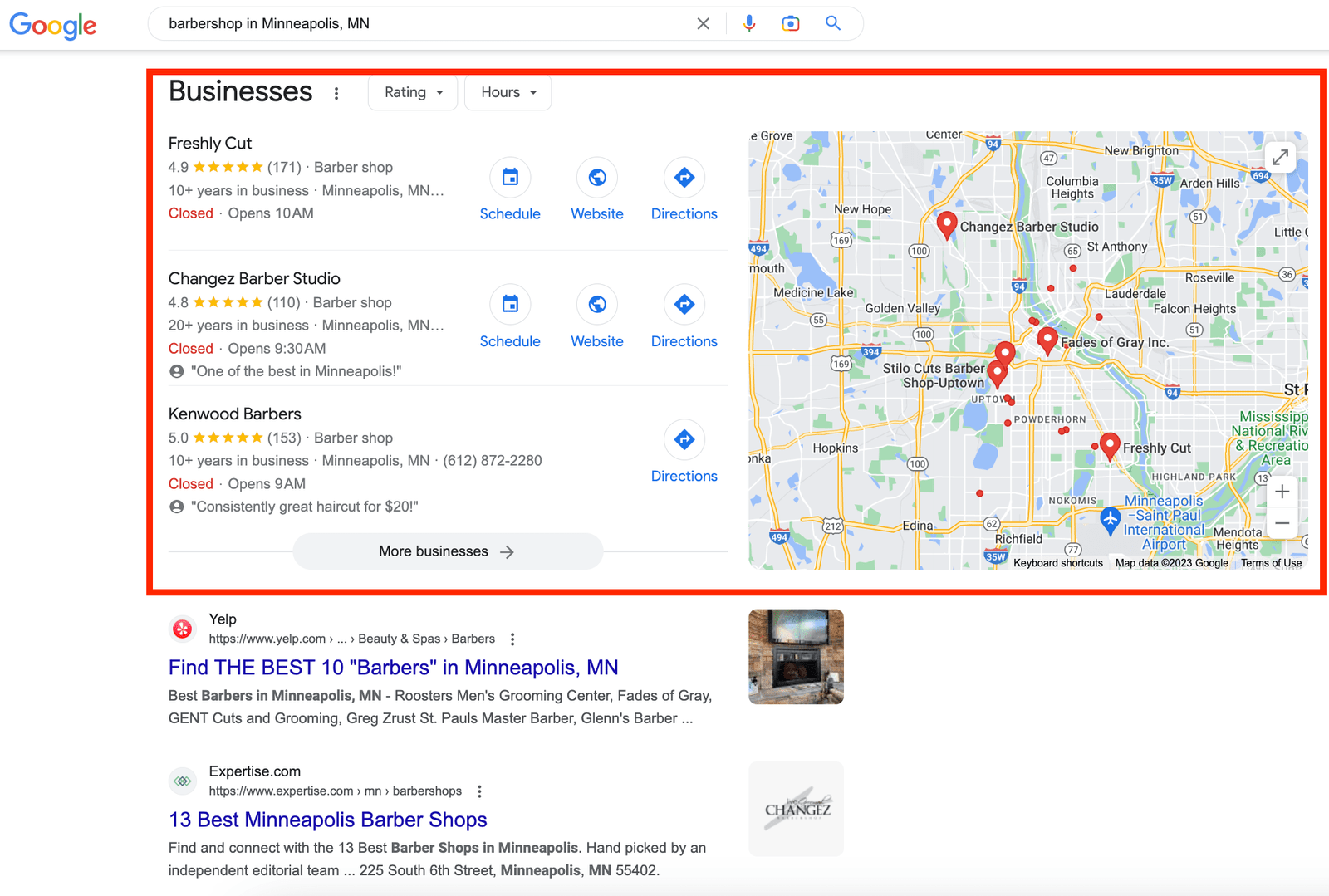
Are you tired of struggling to improve your local search rankings and get your business listed at the top? Look no further! In this article, we will dive deep into the world of local pack ranking and provide you with seven optimization tips to crack the code and secure the number one spot. From understanding the key factors impacting your rankings to utilizing underutilized tricks and optimizing your website for local SEO, we have got you covered. Say goodbye to poor local rankings and hello to increased visibility and success. Let’s get started!
Optimization Tips to Get Your Business Listed #1 in Local Pack Rankings
When it comes to local SEO, getting your business listed at the top of local pack rankings is crucial for attracting customers in your area. To help you achieve this goal, here are seven optimization tips that can significantly improve your chances of securing the number one spot.
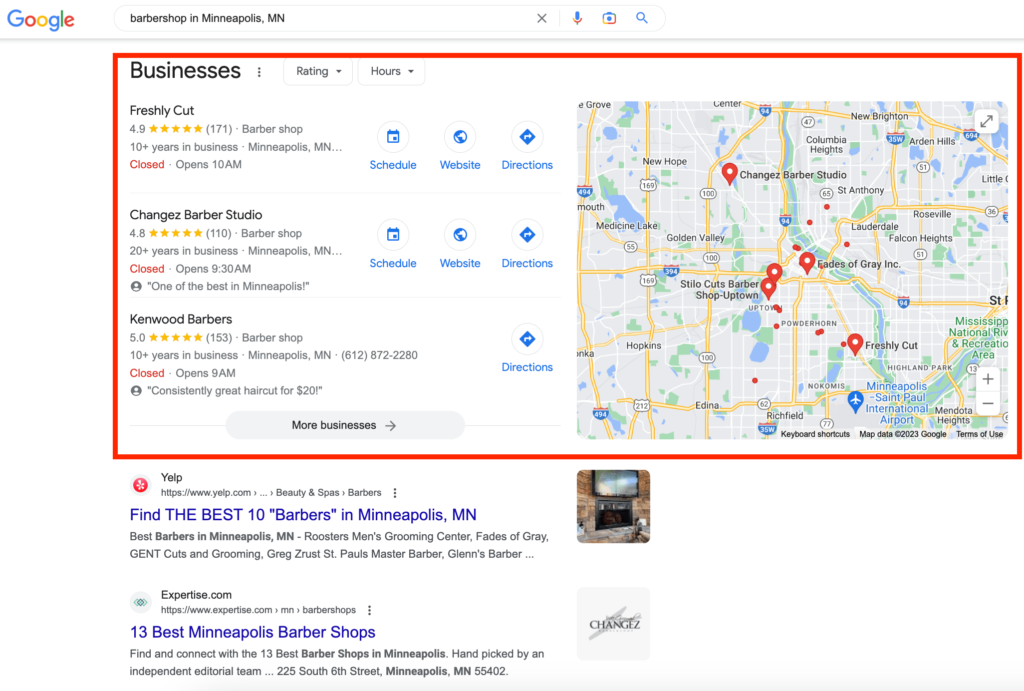
Tip 1: Optimize Your Google My Business Profile
Google My Business (GMB) is a powerful tool that helps businesses manage their online presence. To optimize your GMB profile, start by choosing appropriate categories for your business. These categories should accurately reflect your industry and the products or services you offer.
Next, add accurate and detailed business information, including your address, phone number, and opening hours. It’s essential to ensure that this information is consistent across all online platforms, as any discrepancies can negatively impact your local rankings.
Optimizing your business description is another crucial step. Use relevant keywords and highlight your unique selling points to attract potential customers. Additionally, upload high-quality photos that showcase your products or services and provide visual appeal to your profile.
Lastly, actively manage and respond to customer reviews. Positive reviews can significantly impact your rankings, so encourage satisfied customers to leave reviews and make sure to respond to both positive and negative feedback in a timely and professional manner.
Tip 2: Focus on Local Keywords
To improve your local rankings, it’s essential to focus on local keywords. Conduct thorough keyword research to identify the terms that your potential customers are using when searching for products or services in your area.
Incorporate these local keywords naturally into your website content, including your headlines, titles, and body text. This will help search engines understand that your website is relevant to local searches and increase your visibility in local search results.
Optimizing your meta tags and header tags with local keywords is another effective strategy. These tags provide information to search engines about the content of your web pages, so make sure to include relevant local keywords in these elements.
Creating location-specific landing pages is another valuable tactic. These pages can target specific areas or neighborhoods that you serve, allowing you to tailor your content to the local audience and improve your rankings in those locations.
Including local keywords in anchor text for your internal and external links can also help boost your local rankings. Search engines use anchor text as a signal to understand the relevance of the linked page, so be sure to use local keywords whenever appropriate.
Lastly, optimize your URLs with local keywords. Using descriptive URLs that include relevant local keywords can improve your website’s visibility in local searches and make it easier for users to understand the content of your pages.
Tip 3: Get High-Quality Backlinks from Local Websites
Building high-quality backlinks from local websites is an excellent way to improve your local rankings. Start by identifying local websites that are relevant to your industry or target audience. These websites can include local directories, industry associations, or even other local businesses.
Reach out to the owners of these websites and establish relationships with them. Offer guest posts or collaborations that can provide mutual benefits and earn you backlinks to your website. By partnering with local businesses for cross-promotion and backlink opportunities, you can further strengthen your local SEO efforts.
It’s important to monitor your backlink profile regularly and disavow any low-quality or spammy backlinks. Search engines value quality over quantity when it comes to backlinks, so ensure that the links pointing to your website are from reputable and relevant sources.
Tip 4: Encourage Customer Reviews
Customer reviews are not only important for building trust and credibility but also for improving your local rankings. Claim your business listings on review platforms like Google My Business, Yelp, or TripAdvisor and make sure your information is accurate and up to date.
Providing exceptional customer service is crucial to encouraging positive reviews. Happy customers are more likely to leave positive feedback, so focus on delivering excellent service and addressing any issues or concerns promptly and effectively.
Don’t be afraid to ask satisfied customers to leave reviews. Provide them with clear instructions on how to do so and make it as convenient as possible for them. You can include a call-to-action in your email signatures, receipts, or on your website.
Responding to customer reviews, both positive and negative, is essential. Thank customers for their positive feedback and acknowledge any negative feedback. Use these reviews as an opportunity to address concerns publicly and showcase your commitment to excellent customer service.
Regularly monitor and manage your online reputation. Set up alerts or use reputation management tools to keep track of new reviews and respond in a timely manner. This will not only help you maintain a positive online image but also impact your local rankings positively.
Consider incentivizing customers to leave reviews. Offer discounts or loyalty points to customers who leave reviews, as this can help boost the number of reviews you receive and improve your rankings.
Tip 5: Improve Your Website’s Loading Speed
The loading speed of your website is a critical factor in both user experience and search engine rankings. Slow-loading websites can lead to higher bounce rates and lower conversion rates, negatively impacting your local rankings.
To improve your website’s loading speed, start by optimizing your images and compressing file sizes. Large image files can significantly slow down your website, so make sure to minimize file sizes without compromising on image quality.
Minimizing HTTP requests is another effective strategy. Reduce the number of elements on your web pages that require separate HTTP requests, such as scripts, stylesheets, or images. This can help reduce the load time of your pages and improve overall website performance.
Leveraging browser caching can also have a significant impact on your website’s loading speed. By specifying how long certain elements of your website should be cached, you can reduce the amount of data that needs to be downloaded when a user revisits your website.
Remove unnecessary plugins and scripts that may be slowing down your website. Regularly review and assess the plugins and scripts you’re using and remove any that are not essential to your website’s functionality.
Consider using a content delivery network (CDN) to improve page load times. A CDN works by distributing your website’s static files (such as images, scripts, and stylesheets) across multiple servers worldwide, reducing the distance and time it takes for these files to reach the user’s browser.
Optimizing code and reducing server response time are also critical for improving your website’s loading speed. Clean up your website’s code by removing unnecessary characters, spaces, or line breaks. Additionally, consider upgrading your hosting plan or optimizing server configurations to minimize server response time.
Tip 6: Use Schema Markup to Provide Local Business Information
Schema markup is a type of structured data that helps search engines understand the content and context of web pages. By implementing schema markup for your local business, you can provide search engines with additional information about your business, improving your chances of appearing in local search results.
Implement the appropriate schema markup for your business type. This can include LocalBusiness schema, Restaurant schema, or Product schema, depending on the nature of your business.
Include local business information such as your address, phone number, and opening hours in the schema markup. This information can help search engines display accurate and detailed business information in search results, increasing the visibility of your business.
Add reviews and ratings schema to your website to showcase customer testimonials. Positive reviews and high ratings can significantly impact consumer behavior and increase the likelihood of users choosing your business.
Use event schema if you have local promotions or events happening. This can help search engines display event-related information, such as dates, locations, and ticket information, in search results, attracting users to your events.
Optimize schema markup for your product or service offerings. Include details such as pricing, availability, and specifications to provide users with comprehensive information about your offerings.
Test and validate your schema markup to ensure its accuracy. Use tools like Google’s Structured Data Testing Tool or Schema.org’s Validator to check for any errors or issues with your markup.
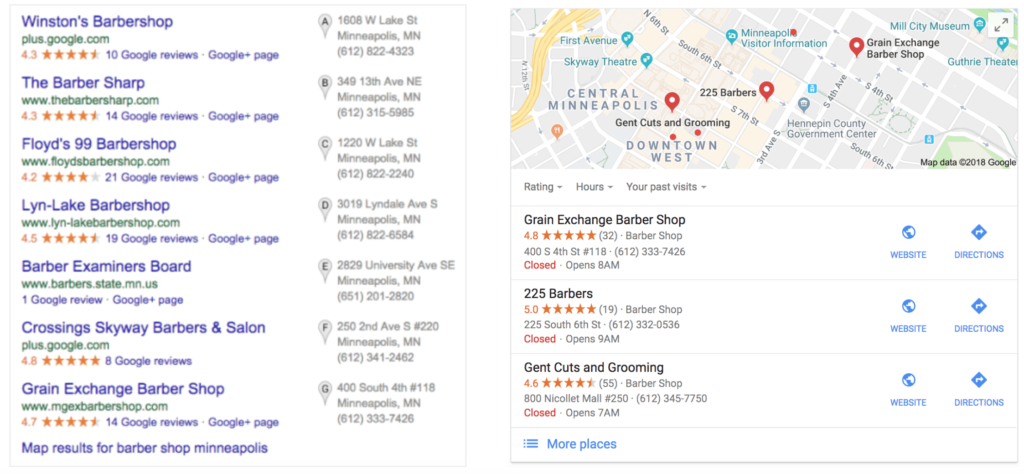
Tip 7: Create and Optimize Local Content
Creating and optimizing local content is essential for improving your local rankings and attracting a local audience. Research local audience preferences and interests to understand what type of content resonates with them.
Create location-specific blog posts and articles that cater to the needs and interests of your local audience. This can include information about local events, attractions, or news that is relevant to your industry.
Optimize your content with local keywords and relevant information. Incorporate the local keywords you identified during your keyword research into your content naturally. Additionally, provide valuable and informative content that addresses the specific needs of your local audience.
Include local landmarks, events, and attractions in your content. Mentioning well-known local points of interest can increase the local relevance of your content and attract users who are interested in those locations.
Promote your local content on social media and local websites. Share your blog posts, articles, or other forms of content on social media platforms where your target audience is active. Additionally, collaborate with local websites or influencers to expand your reach and attract more local visitors.
Monitor and analyze the performance of your local content. Use analytics tools to track metrics such as page views, engagement, and conversions. This data can provide valuable insights into the effectiveness of your content and help you make necessary adjustments to optimize your local rankings.
In conclusion, optimizing your business for local pack rankings requires a comprehensive approach. By following these seven tips, you can significantly improve your chances of securing the number one spot in local search results and attracting more customers in your area. Remember to constantly monitor, analyze, and adjust your strategies to stay ahead of the competition and maintain your local dominance.