Are you looking to boost your local search engine rankings and drive more traffic to your business? Look no further! In this article, we’ll show you why running a local site audit is essential to your success and provide you with a comprehensive 5-step checklist to get started. Don’t wait any longer – with the help of this checklist, you’ll be able to identify and fix any issues that may be holding your local SEO back. Get ready to skyrocket your local search rankings and attract more customers to your business!
Local Site Audit
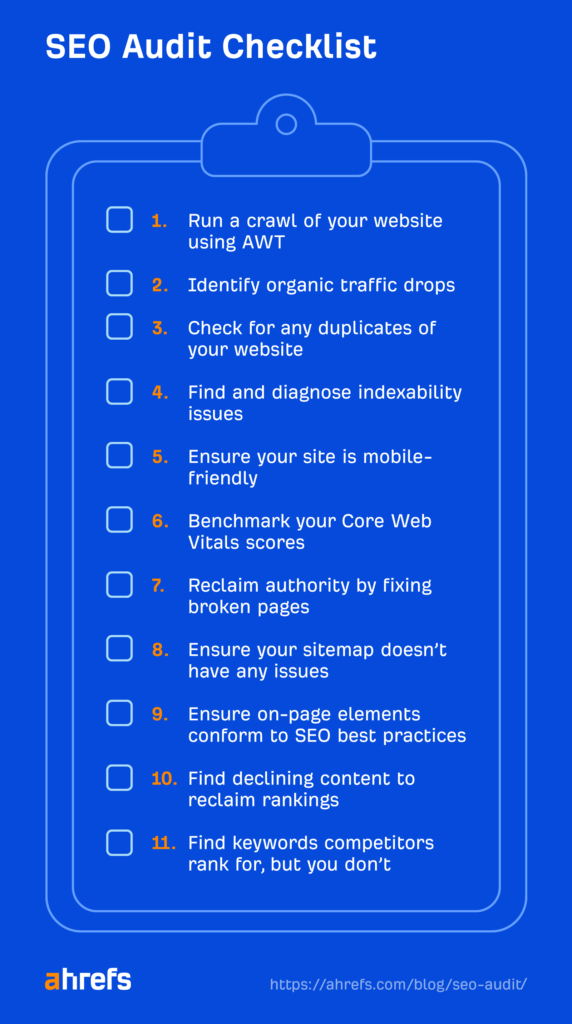
Welcome to the comprehensive guide on how to perform a local site audit! Whether you’re a business owner or a marketer, conducting a local site audit is an essential step in optimizing your online presence and improving your local search engine rankings. In this article, we will walk you through a detailed five-step checklist that covers all the necessary aspects of a local site audit. By following these steps, you will be able to identify any issues or areas of improvement and take the necessary actions to boost your local SEO performance.
What is a Local Site Audit?
A local site audit is an in-depth analysis of your website’s performance in terms of local search engine optimization (SEO). It involves examining various elements of your website, both on-page and off-page, to identify any technical issues, content gaps, or optimization opportunities. The primary goal of a local site audit is to ensure that your website is optimized to rank higher in local search results and attract more targeted traffic to your business.
Why is a Local Site Audit Important?
Conducting a local site audit is crucial for several reasons. Firstly, it helps you identify and fix any technical issues that may prevent search engines from properly crawling and indexing your website. This, in turn, improves your website’s visibility in search engine results pages (SERPs). Secondly, a comprehensive local site audit allows you to evaluate the effectiveness of your on-page and off-page SEO strategies. By analyzing your keyword usage, content quality, backlink profile, and more, you can uncover areas for improvement and optimize your website accordingly. Lastly, a local site audit helps you stay ahead of the competition by monitoring your website’s performance and making data-driven decisions to drive consistent growth.
Benefits of Conducting a Local Site Audit
Performing a local site audit offers several benefits for your business. Let’s take a look at some of them:
-
Improved Search Visibility: By identifying and addressing any technical or content-related issues on your website, a local site audit can help improve your website’s search visibility and increase your chances of appearing in the top positions of local search results.
-
Increased Organic Traffic: By optimizing your website based on the findings of your local site audit, you can attract more organic traffic from users actively searching for products or services in your local area.
-
Better User Experience: A local site audit allows you to evaluate the user experience of your website, including factors like site speed, mobile-friendliness, and navigation. By optimizing these aspects, you can enhance the overall user experience and keep visitors engaged for longer.
-
Higher Conversion Rates: By optimizing your website’s call-to-action elements, forms, and contact information, you can increase the likelihood of converting visitors into customers or leads.
-
Long-term Growth: Regularly conducting local site audits ensures that your website is up-to-date with the latest SEO best practices, algorithm changes, and industry trends. This ongoing optimization helps you maintain and grow your online presence in the long run.
Now that we understand the importance and benefits of a local site audit, let’s dive into the step-by-step process of conducting one.
Step 1: Technical SEO Audit
The first step in your local site audit is to assess the technical aspects of your website. This involves analyzing various factors that impact your website’s crawlability, indexability, and overall performance. Here are the key elements to focus on:
Crawlability and Indexability
Ensure that search engine bots can easily crawl and index your website’s pages. Check for any crawl errors, broken links, or issues with your robots.txt file that may hinder search engines from accessing and indexing your content.
URL Structure
Evaluate your website’s URL structure to ensure that it is logical, user-friendly, and optimized for search engines. Avoid using lengthy or confusing URLs, and consider including relevant keywords to improve the visibility of your pages in search results.
Redirects and Canonical Tags
Check for any broken or unnecessary redirects on your website. Additionally, implement canonical tags to indicate the preferred version of a webpage when duplicate content exists.
XML Sitemap
Create and submit an XML sitemap to search engines. This helps search engines discover and understand the structure of your website, ensuring that all your pages are indexed and included in search results.
Site Speed
Analyze your website’s loading speed and performance. Slow-loading websites not only negatively affect user experience but also impact your search rankings. Optimize images, minify CSS and JavaScript files, and leverage caching techniques to improve your site’s speed.
Mobile Friendliness
Check if your website is optimized for mobile devices. Given the increasing use of smartphones and tablets, ensuring that your website is mobile-friendly is crucial for both user experience and search rankings.
Schema Markup
Implement structured data markup such as Schema.org to provide search engines with more information about your business, products, services, and other relevant details. This can enhance your website’s appearance in search results through rich snippets.
By thoroughly examining and addressing these technical SEO factors, you set a solid foundation for the rest of your local site audit.

Step 2: On-Page SEO Audit
On-page SEO plays a vital role in optimizing your website’s visible elements and content. It involves optimizing individual web pages to improve your search engine rankings and drive organic traffic. Here are the key areas to focus on during your on-page SEO audit:
Keyword Research
Perform in-depth keyword research to identify relevant keywords and search queries that potential customers use to find businesses like yours. Use tools like Google Keyword Planner, SEMrush, or Moz Keyword Explorer to find high-value keywords with reasonable search volumes and competition levels.
Title Tags and Meta Descriptions
Optimize your title tags and meta descriptions to accurately reflect the content of your web pages. Incorporate relevant keywords naturally while maintaining clarity and conciseness. This helps search engines understand your page’s topic and improves click-through rates from search results.
Header Tags
Ensure that your web pages use proper header tags (H1, H2, H3, etc.) to structure your content. Header tags help search engines understand the hierarchy and importance of your content, making it easier for them to properly index and rank your pages.
Content Quality and Relevance
Review your website’s content for quality, relevance, and uniqueness. Aim for well-written, informative, and engaging content that provides value to your target audience. Avoid duplicating content across multiple pages, and ensure that each page has enough textual content to provide sufficient information.
Internal Linking
Implement internal links within your content to create a logical and well-connected website structure. Internal links help search engines discover and navigate your website more efficiently and distribute link equity across your pages.
Image Optimization
Optimize your website’s images by reducing their file sizes without compromising quality. Compress images, use descriptive file names, and add alt attributes that include relevant keywords. Image optimization helps improve page load times and enhances the accessibility of your website.
URL Optimization
Ensure that your URLs are clear, concise, and descriptive of the content they represent. Avoid using complex or unintelligible URLs that can confuse both users and search engines. Consider including relevant keywords in your URLs to improve their visibility in search results.
By paying attention to these on-page SEO factors and making the necessary optimizations, you can greatly improve your website’s visibility and relevance in local search results.
Step 3: Local SEO Audit
In this step, we’ll focus on optimizing your website for local search. Local SEO is crucial for businesses that cater to a specific geographic area. Here’s what you need to consider during your local SEO audit:
Google My Business Listing
Claim and optimize your Google My Business (GMB) listing. Complete all the required information, including your business name, address, phone number, website URL, operating hours, and business categories. Regularly update your GMB listing with new photos and posts to engage with potential customers.
NAP Consistency
Ensure that your business’s name, address, and phone number (NAP) are consistent across all online directories, listings, and your website. Consistent NAP data helps search engines verify your business’s legitimacy and improve your local search rankings.
Citation Accuracy
Audit your business’s citations, which are mentions of your NAP information on other websites. Ensure that your citations are accurate and up-to-date. Seek out and fix any inconsistent or incorrect citations to maintain consistency and improve local search visibility.
Review Management
Monitor and manage your online reviews effectively. Encourage satisfied customers to leave positive reviews, and promptly respond to any negative reviews. Positive reviews boost your credibility and local rankings, while addressing negative reviews demonstrates your commitment to customer satisfaction.
Local Link Building
Investigate opportunities to build local links from relevant and authoritative websites. Consider partnering with local organizations, participating in community events, or sponsoring local projects. Quality local backlinks can increase your website’s visibility and authority in local search.
Local Schema Markup
Implement local schema markup on your website to provide search engines with more specific information about your business, such as your address, phone number, reviews, and opening hours. Local schema markup can help search engines display your business prominently in local search results.
By conducting a comprehensive local SEO audit, you’ll be able to optimize your website for local search and attract more customers in your target area.
Step 4: Off-Page SEO Audit
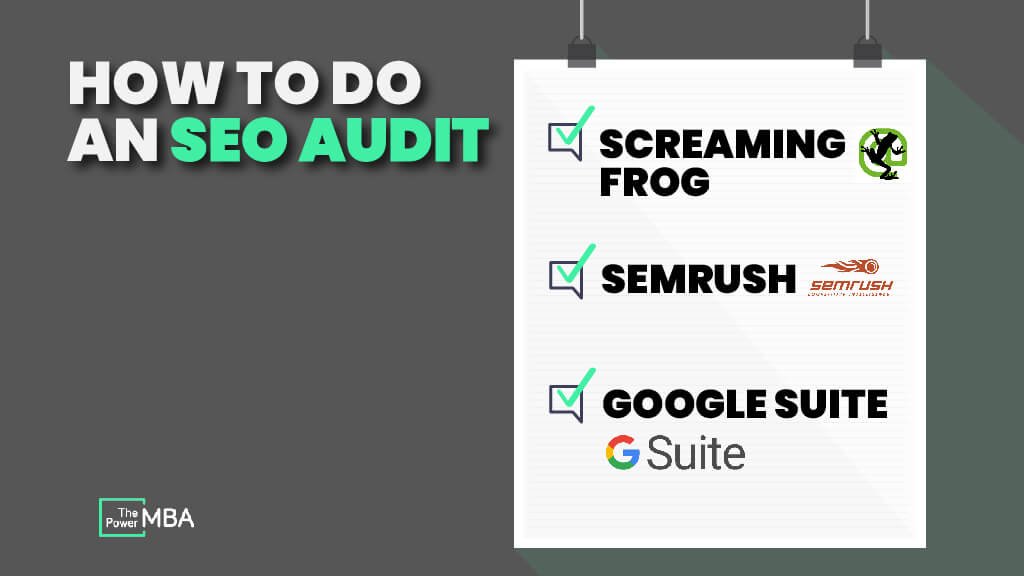
Off-page SEO refers to the activities you can undertake outside of your website to improve your search engine rankings. In the fourth step of your local site audit, you will focus on assessing and optimizing your off-page SEO factors. Here’s what you need to consider:
Backlink Profile Analysis
Analyze your website’s backlink profile, which consists of external websites linking back to your site. Identify any low-quality or spammy backlinks and disavow them using Google’s Disavow Tool. Focus on acquiring high-quality backlinks from authoritative and relevant websites in your industry or local area.
Quality and Relevance of Backlinks
Evaluate the quality and relevance of the websites that link to your site. Seek backlinks from reputable websites that are relevant to your business niche and local area. Quality and relevant backlinks help improve your website’s authority and increase your search engine rankings.
Anchor Text Optimization
Optimize the anchor text of your backlinks to include relevant keywords. Use a variety of anchor text variations and avoid using exact match keywords excessively, as this can be seen as manipulation by search engines and result in penalties.
Social Signals
Review your social media presence and engagement. Ensure that you have active profiles on relevant social media platforms and regularly share valuable content to engage with your audience. Social signals, such as likes, comments, and shares, can indirectly impact your search engine rankings.
Brand Mentions
Monitor the web for mentions of your brand or business name. Engage with people who mention your brand and seek opportunities for collaboration or link building. Brand mentions help increase brand awareness, credibility, and visibility in search results.
Competitor Analysis
Analyze your competitors’ backlink profiles and overall off-page SEO strategies. Identify their strengths, weaknesses, and opportunities for improvement. By understanding what works for your competitors, you can develop a more effective off-page SEO strategy for your own website.
Through a thorough off-page SEO audit, you can enhance your website’s authority, reputation, and visibility in search results.
Step 5: User Experience Audit
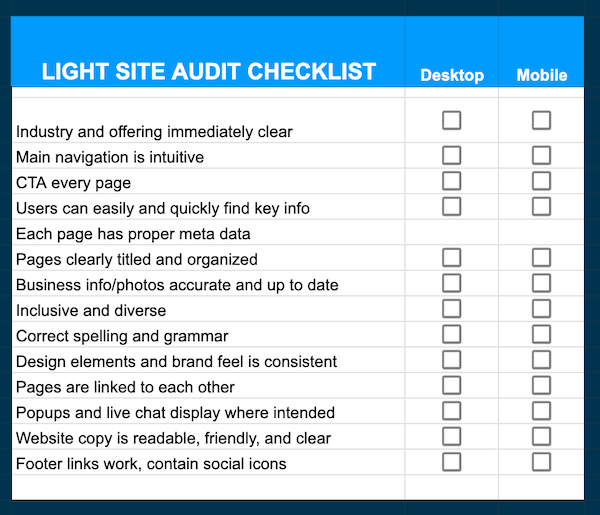
The final step in your comprehensive local site audit is to evaluate the user experience (UX) of your website. User experience is crucial for engaging and retaining visitors, which ultimately affects your search engine rankings. Here’s what you need to assess:
Website Navigation
Ensure that your website’s navigation is intuitive, user-friendly, and logically structured. Users should be able to find the information they need easily and navigate between pages seamlessly.
Page Layout and Design
Evaluate the visual design and layout of your web pages. Aim for a clean and professional design that is visually appealing and easy to read. Pay attention to font sizes, colors, spacing, and the overall balance of your page elements.
Readability and Accessibility
Ensure that your website’s content is easy to read and accessible to all users, including those with visual impairments or disabilities. Use clear and concise language, break up your content into smaller sections, and make use of headings and bullet points to improve readability.
Call-to-Action Optimization
Evaluate your website’s calls-to-action (CTAs) and check if they are clear, compelling, and strategically placed. CTAs should encourage users to take the desired actions, such as making a purchase, subscribing to a newsletter, or contacting your business.
Forms and Contact Information
Review your website’s forms, such as contact forms or lead generation forms. Ensure that they are easy to fill out and submit. Additionally, make sure that your contact information, including your phone number, email address, and physical address, is prominently displayed and easily accessible.
Site Search Functionality
Assess the effectiveness of your website’s search functionality. Users should be able to find specific information or products using the search bar. Optimize your search functionality to provide accurate and relevant results.
By focusing on enhancing the user experience of your website, you can keep visitors engaged, encourage positive interactions, and improve your search rankings.
Next Steps after the Audit
Once you have completed your local site audit, it’s time to take action based on your findings. Here are the next steps to consider:
Priority Action Items
Identify the most critical issues or areas for improvement from your audit. Create a priority action list that outlines the tasks you need to tackle first. This will help you focus your efforts and allocate resources effectively.
Implementation Plan
Create a detailed implementation plan that outlines how you will address each priority action item. Establish timelines, assign responsibilities, and set key performance indicators (KPIs) to track your progress.
Monitoring and Tracking
Regularly monitor and track the impact of your optimizations on your website’s performance. Use analytics tools to measure key metrics such as organic traffic, conversion rates, and search engine rankings. This data will help you assess the effectiveness of your efforts and make data-driven decisions moving forward.
Regular Site Audits
Perform regular site audits to ensure that your website remains optimized and up-to-date. The digital landscape is constantly evolving, and it’s important to stay proactive in monitoring changes, identifying new opportunities, and adapting your strategies accordingly.
By following these next steps, you can implement your audit findings effectively and continuously improve your website’s local SEO performance.
Conclusion
In conclusion, conducting a comprehensive local site audit is a crucial step in optimizing your online presence and improving your local search engine rankings. By following the five-step checklist outlined in this article, you can thoroughly assess your website’s technical, on-page, off-page, and user experience factors. By addressing the issues and making the necessary optimizations, you can boost your website’s visibility, attract more targeted traffic, and drive long-term growth for your business. Don’t wait! Start running a local site audit today and unlock the full potential of your online presence.