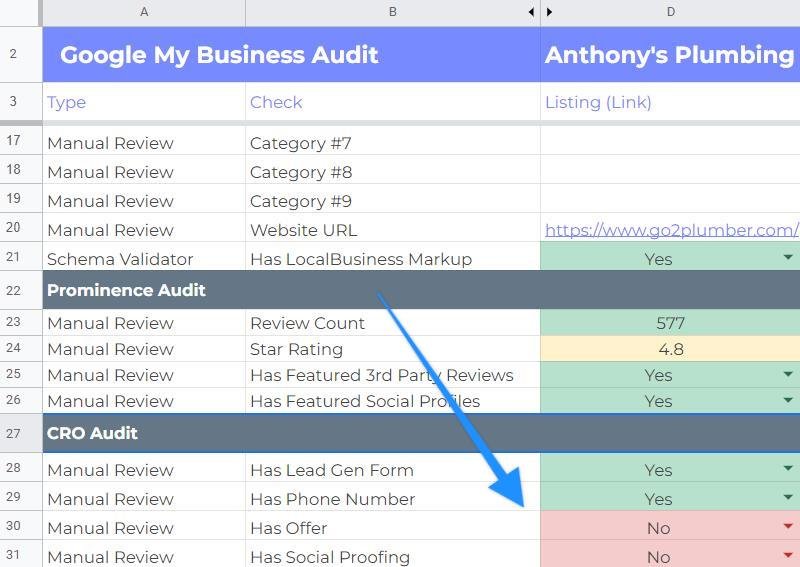
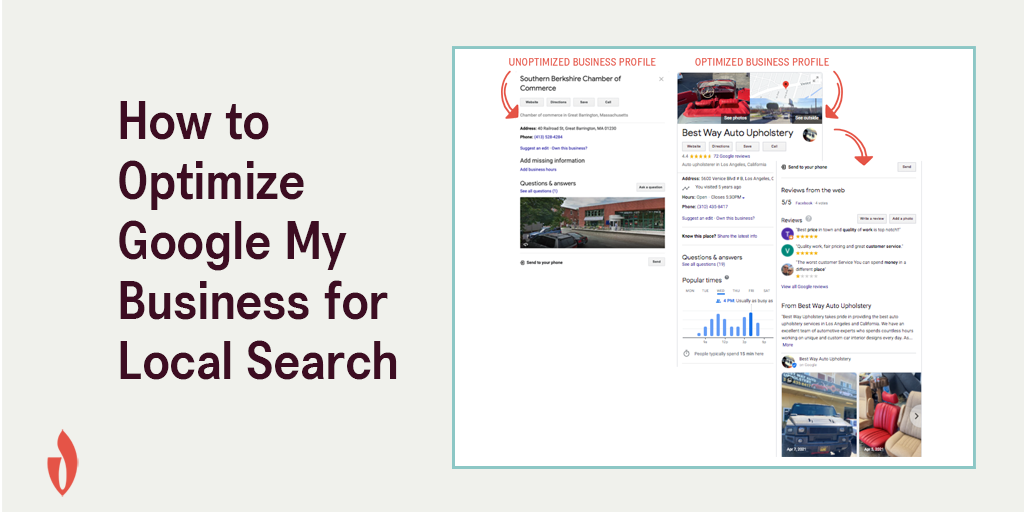
Are you struggling to gain visibility for your business on Google My Business? You’re not alone. With the vast amount of information available online, it’s easy to get buried in the local search results. But don’t worry, there’s a solution. By fully optimizing your Google My Business profile, you can improve your local SEO rankings and increase your chances of appearing on the first page. This checklist provides a comprehensive guide to optimizing your Google My Business profile, ensuring that your business stands out in the local search results and attracts more customers. Say goodbye to being buried locally and hello to higher rankings with Google My Business optimization.
Local Site Performance
Having a well-performing website is crucial for any business, but it becomes even more important when it comes to local search engine optimization (SEO). A poorly optimized site can negatively impact your local search rankings and make it difficult for potential customers to find you. In this article, we will explore the factors that can affect local site performance and provide tips on how to improve it.

The Importance of Local Site Performance
Local site performance refers to how well your website performs in terms of speed, usability, and overall user experience. It plays a crucial role in determining your local search rankings and can directly impact your online visibility. A slow-loading website, broken links, or a poor mobile experience can frustrate visitors and make them leave your site, ultimately leading to a high bounce rate and low conversion rates.
When it comes to local SEO, Google takes into account various factors to determine the relevance and quality of your website for local searches. These factors include website speed, mobile-friendliness, user engagement metrics, and the overall user experience. By optimizing your site for better performance, you increase your chances of ranking higher in local search results and attracting more local customers.
Common Local Site Performance Killers
There are several common issues that can negatively impact the performance of your local website. It’s important to identify and address these issues to ensure that your site is running smoothly and providing a positive user experience. Here are five common local site performance killers you should be aware of:
-
Slow Website Speed: A slow-loading website can frustrate visitors and prompt them to leave your site before it even fully loads. This can lead to a high bounce rate and negative user experience. Factors that can contribute to slow website speed include large image file sizes, unoptimized code, and a lack of caching.
-
Unresponsive Web Design: With the increasing use of mobile devices for browsing, it’s essential to have a website that is optimized for different screen sizes. If your website is not responsive and doesn’t adapt to different devices, it can lead to a poor mobile experience and affect your local search rankings.
-
Poor User Experience: User experience encompasses various factors, including navigation, readability, and overall ease of use. If your website has confusing navigation, cluttered layouts, or hard-to-read content, it can negatively impact user engagement and discourage visitors from exploring your site further.
-
Broken Links: Broken links not only create a frustrating experience for users but also signal to search engines that your website may be outdated or not well-maintained. Regularly checking and fixing broken links is essential for maintaining a seamless user experience and improving your local site performance.
-
Lack of Local Optimization: To perform well in local search results, your website needs to be optimized for local keywords and locations. If you’re not incorporating relevant local keywords in your content, meta tags, and headings, search engines may have a hard time understanding the relevance of your site to local searches.
How to Improve Local Site Performance
Now that we’ve identified some of the common issues that can negatively impact your local site performance, let’s explore some actionable tips to improve it:
-
Optimize Website Speed: Minimize unnecessary plugins, optimize image sizes, enable browser caching, and use a content delivery network (CDN) to improve website loading speed. Regularly monitor your site’s speed using tools like Google PageSpeed Insights and make necessary adjustments.
-
Ensure Mobile Responsiveness: Use a responsive web design framework to ensure that your website adapts to different screen sizes and provides a seamless user experience across devices. Test your site on various mobile devices to ensure compatibility and make necessary adjustments.
-
Prioritize User Experience: Simplify your website’s navigation, use clear and concise content, and optimize your site’s layout for readability and ease of use. Conduct user testing to gather feedback and make improvements based on user preferences and behavior.
-
Regularly Check and Fix Broken Links: Use tools like Google Search Console or online link checking tools to identify and fix broken links on your website. Regularly conduct audits to ensure that all internal and external links are working properly.
-
Optimize for Local Keywords: Conduct keyword research to identify relevant local keywords and incorporate them strategically in your website’s content, meta tags, headings, and URLs. Create location-specific landing pages and optimize them for local search queries.
By implementing these tips, you can significantly improve your local site performance and increase your chances of ranking higher in local search results. Remember, a well-optimized and user-friendly website is key to attracting more local customers and growing your business.