
Unlocking local search rankings with citation opportunities is crucial for businesses looking to improve their online presence and attract more local customers. In this article, you will discover the importance of local citations and how they impact your local search engine rankings. You will also learn about the various factors that contribute to local SEO success and the steps you can take to optimize your website for local searches. Whether you are a local business owner or a digital marketer, this article will provide you with valuable insights and actionable strategies to boost your local SEO rankings and drive more local traffic to your website. Don’t miss out on the hidden citation opportunities that can help you unlock higher local rankings and achieve your business goals.
Local Citation Opportunities
Understanding Local Citations
When it comes to local search rankings, one of the key factors that can significantly impact your business’s visibility is local citations. But what exactly are local citations? In simple terms, they are online mentions of your business that include important information such as your name, address, and phone number (NAP). These citations can be found on various websites, directories, and social media platforms, and they play a crucial role in establishing your business’s presence in the local community.
Why Local Citations Matter for Local Search Rankings
You might be wondering why local citations matter so much for your business’s local search rankings. Well, simply put, search engines like Google consider local citations to be a strong indicator of your business’s legitimacy and credibility. When search engines find consistent NAP information about your business across different websites, they gain confidence in your business’s existence and improve its visibility in local search results.
Local citations not only help search engines understand the relevance of your business to a specific location, but they also help potential customers find your business information easily. When users search for a specific product or service in their local area, search engines rely on local citations to provide them with accurate and reliable results. Therefore, having accurate and consistent citations across various platforms is crucial for improving your local search rankings.
Types of Local Citations
Local citations can come in various forms. Here are some common types of local citations you should be aware of:
-
Business Directories: These are online directories that list businesses in specific industries or categories. Examples include Yelp, Yellow Pages, and Angie’s List. Building citations on these directories is essential for boosting your local search rankings.
-
Industry-Specific Directories: If your business operates in a niche industry, there are often specific directories tailored to your field. For example, if you own a restaurant, you should consider getting listed on platforms like OpenTable or TripAdvisor.
-
Social Media Platforms: Social media platforms like Facebook, Twitter, and Instagram provide excellent opportunities for local citations. By including your business’s NAP information in your profiles and posts, you can improve your local search visibility.
-
Local Chamber of Commerce Websites: Many cities have local chambers of commerce that offer business directories on their websites. Getting listed on these directories showcases your involvement in the local business community and can improve your local search rankings.
-
Local Organizations: Partnering with local organizations such as charities, nonprofits, or community groups can provide citation opportunities. Sponsoring events or participating in local initiatives can lead to mentions and citations on their websites.
-
Local News and Media: Getting mentioned in local news articles, blog posts, or press releases can be an excellent way to boost your local search rankings. Building relationships with local journalists or pitching newsworthy stories can help you secure these valuable citations.
Top Local Citation Websites
When it comes to building local citations, there are numerous websites and directories to choose from. Here are some of the top platforms where you should consider listing your business:
-
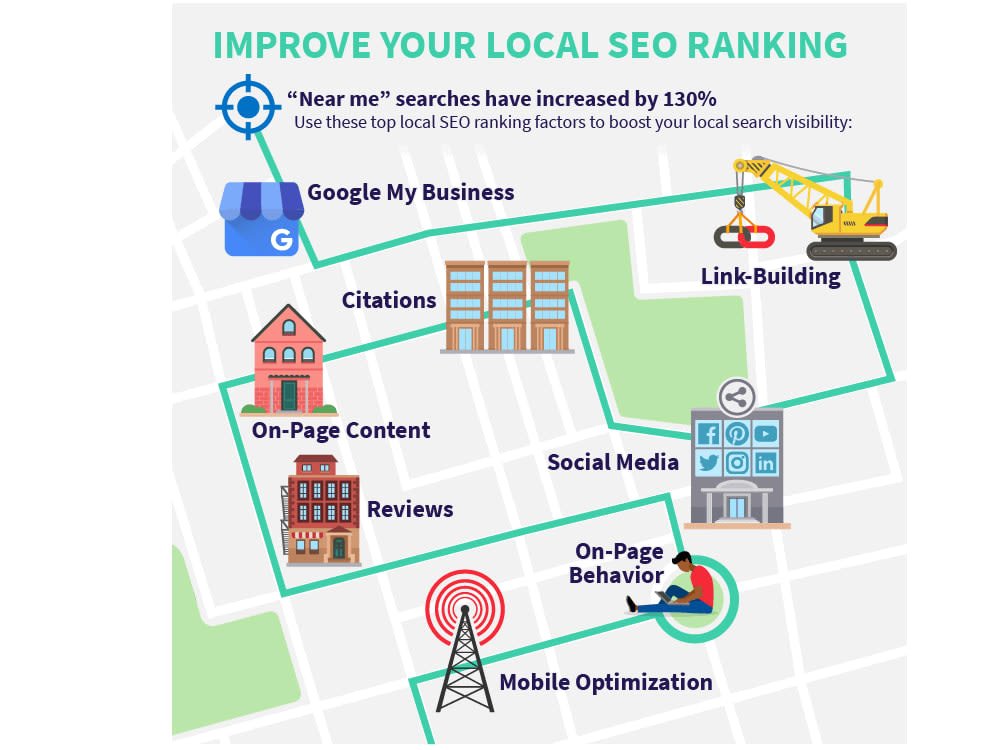
Google My Business: This is an essential platform for local businesses. Creating and optimizing your Google My Business profile not only provides you with a strong citation but also improves your chances of appearing in Google’s local pack.
-
Yelp: As one of the most popular review platforms, having a presence on Yelp can significantly impact your local search rankings. Encourage satisfied customers to leave reviews, and ensure your business information is accurate and up to date.
-
Facebook: With billions of active users, Facebook offers a massive potential audience for your business. Ensure your business’s Facebook page includes complete and accurate NAP information to optimize your local search visibility.
-
Apple Maps: As the default map app on Apple devices, Apple Maps is an essential citation platform, especially for businesses targeting iPhone and Mac users. Make sure your business information is visible and accurate in Apple Maps.
-
Bing Places for Business: Bing may not have the dominance of Google, but it still holds a significant share of the search engine market. Creating and optimizing your Bing Places for Business profile can improve your local search rankings on Bing.
Building Citations on Local Business Directories
One of the most effective ways to build local citations is by submitting your business information to local business directories. These directories, such as Yelp, Yellow Pages, and Angie’s List, specialize in providing users with comprehensive listings of businesses in specific industries or categories.
To build citations on local business directories, you’ll need to follow a few steps:
-
Conduct a search for relevant directories: Start by searching for local business directories in your industry or location. Make a list of the directories that are most popular and relevant to your business.
-
Create a profile on each directory: Visit each directory and create a profile for your business. Provide accurate and detailed information, including your business name, address, phone number, website URL, and a brief description of your products or services.
-
Verify your business: Some directories may require you to verify your business before your listing becomes active. This often involves a verification process, such as receiving a confirmation code by mail or phone.
-
Optimize your listings: Once your business is listed, take the time to optimize your listings. Ensure that your NAP information is consistent across all directories, update any outdated information, and include keywords in your descriptions to improve your chances of appearing in relevant searches.
-
Monitor and manage your listings: It’s important to regularly monitor and manage your listings on local business directories. Respond to customer reviews, update your information as necessary, and address any issues promptly to maintain a positive online presence.
By building citations on local business directories, you can increase your business’s visibility in local search results and establish trust with potential customers.
Submitting to Industry-Specific Directories
In addition to general business directories, there are often industry-specific directories that cater to niche markets or specific professions. These directories can be an excellent source of targeted local citations for your business.
To submit to industry-specific directories, consider the following steps:
-
Identify relevant industry-specific directories: Research and identify directories that are specific to your industry or profession. These directories are often tailored to cater to a specific audience, making them more valuable for reaching your target market.
-
Review directory guidelines: Before submitting your business information, review the guidelines provided by each directory. They may have specific requirements or restrictions regarding the type of businesses they accept or the information they display.
-
Create a profile or listing: Follow the instructions provided by the directory to create a profile or listing for your business. Fill in all the necessary information, making sure to include your accurate NAP details and any additional information required by the directory.
-
Optimize your listing: Similar to local business directories, optimize your listing on industry-specific directories by ensuring consistent NAP information and including relevant keywords in your descriptions. This will help improve your visibility within your target industry.
-
Regularly update and manage your listings: Just like with general business directories, it’s important to regularly update and manage your listings on industry-specific directories. Keep your information up to date, respond to any reviews or inquiries, and make the necessary adjustments if your business undergoes any changes.
By submitting to industry-specific directories, you can ensure that your business is visible to potential customers who are specifically searching within your niche market or profession.
Leveraging Social Media Platforms for Citations
In today’s digital age, social media platforms play a significant role in connecting businesses with customers. While social media is primarily known for its engagement and promotional capabilities, it can also be a valuable source of local citations.
To leverage social media platforms for citations, consider the following strategies:
-
Complete your profiles: Ensure that your business’s profiles on platforms like Facebook, Twitter, Instagram, and LinkedIn are complete and include accurate NAP information. This will help search engines understand the location and relevance of your business.
-
Engage with local communities: Participate in local conversations and engage with local communities on social media platforms. By commenting, sharing, and providing valuable insights, you increase the chances of your business being mentioned or tagged, further increasing your local citations.
-
Encourage reviews and check-ins: Encourage your customers to leave reviews and check-in to your business on social media platforms. Positive reviews and check-ins act as social proof and can lead to increased visibility and credibility for your business.
-
Use location-based features: Take advantage of location-based features on platforms like Facebook and Instagram. When posting content, make sure to tag your location or use location-specific hashtags. This can help users discover your business when searching for content related to your area.
-
Collaborate with local influencers: Partnering with local influencers or micro-influencers can help you gain exposure to their followers and potentially result in citations for your business. Influencers can mention or tag your business in their posts, increasing your local visibility.
By leveraging social media platforms effectively, you can not only engage with your audience but also establish strong local citations that contribute to improved local search rankings.
Getting Listed on Local Chamber of Commerce Websites
Local chambers of commerce are organizations that support and promote local businesses within a specific geographical area. These chambers often have websites that include directories of businesses within their community. Getting listed on these websites can provide important local citations for your business.
To get listed on local chamber of commerce websites, follow these steps:
-
Identify your local chamber of commerce: Research and identify the local chamber(s) of commerce that cover your geographical area. This may involve searching online or reaching out to local business organizations for information.
-
Become a member: Many chambers of commerce require businesses to become members before they can be listed on their websites. Check the membership requirements and join the chamber if applicable.
-
Provide your business information: Once you are a member, provide your business information to the chamber. This may involve completing a form, submitting your NAP details, and including additional information about your business.
-
Optimize your listing: Similar to other directories, optimize your listing on the chamber of commerce website. Ensure that your NAP information is accurate and consistent with your other citations. Include relevant keywords or descriptions to improve your visibility in local searches.
-
Engage with the chamber: Getting listed on a chamber of commerce website is just the beginning. Engage with the chamber by attending events, networking with other members, and participating in their initiatives. This can lead to further mentions and citations for your business.
By getting listed on your local chamber of commerce website, you not only gain valuable local citations but also demonstrate your commitment to the local business community.

Partnering with Local Organizations for Citations
Forming partnerships with local organizations can be an effective strategy for acquiring citations and building relationships within your community. These organizations may include charities, nonprofits, community groups, or educational institutions.
To partner with local organizations for citations, consider the following steps:
-
Identify relevant organizations: Research and identify local organizations that align with your business values or target audience. Look for opportunities to collaborate and contribute to their initiatives.
-
Offer sponsorship or support: Reach out to these organizations and explore opportunities for sponsorship or support. This can include financial contributions, volunteering, or providing resources that benefit both the organization and your business.
-
Seek mentions or citations: As you build relationships with local organizations, communicate your interest in receiving mentions or citations. This could be through their website, newsletters, social media posts, or event materials.
-
Contribute to their content: Offer to contribute content, such as guest blog posts or articles, to the organization’s website or publications. This provides an opportunity for your business to gain exposure and a citation back to your website.
-
Attend and participate in events: Support local organizations by attending and actively participating in their events. This can increase your visibility within the community and lead to mentions or citations in event coverage or promotional materials.
By partnering with local organizations, you can not only acquire valuable citations but also build strong relationships that can benefit your business in the long term.
Getting Mentioned in Local News and Media
Local news outlets and media channels play a significant role in informing the community and are always on the lookout for newsworthy stories. Getting mentioned in local news articles, blog posts, or press releases can provide powerful citations for your business.
To increase your chances of getting mentioned in local news and media, consider the following strategies:
-
Develop newsworthy stories: Identify unique or interesting aspects of your business that could be newsworthy. This could include community involvement, awards or recognitions, new product launches, or industry innovations.
-
Establish relationships with journalists: Reach out to local journalists and introduce yourself and your business. Offer to serve as a resource for stories related to your industry, providing expertise or insight. Building relationships can increase the likelihood of future mentions or coverage.
-
Write press releases: Develop compelling and well-written press releases that highlight newsworthy events or achievements. Distribute these to local news outlets, journalists, and bloggers who cover your industry or local community.
-
Participate in interviews or feature stories: Respond to media requests for interviews or feature stories. By showcasing your expertise or sharing your business’s story, you increase the likelihood of gaining mentions and citations in the coverage.
-
Monitor local news coverage: Keep an eye on local news outlets and media channels for mentions of your business. If you come across any missed opportunities or incorrect information, reach out to them and provide the necessary updates or clarifications.
By actively seeking opportunities to be mentioned in local news and media, you can not only gain valuable citations but also enhance your business’s reputation and visibility within the community.
In conclusion, local citations are an essential component of your business’s local search ranking strategy. By understanding the different types of local citations, leveraging various platforms, and actively pursuing opportunities for mentions and listings, you can improve your business’s visibility, credibility, and ultimately, its local search rankings. Take advantage of local citation opportunities to unlock the full potential of your business in the digital landscape.